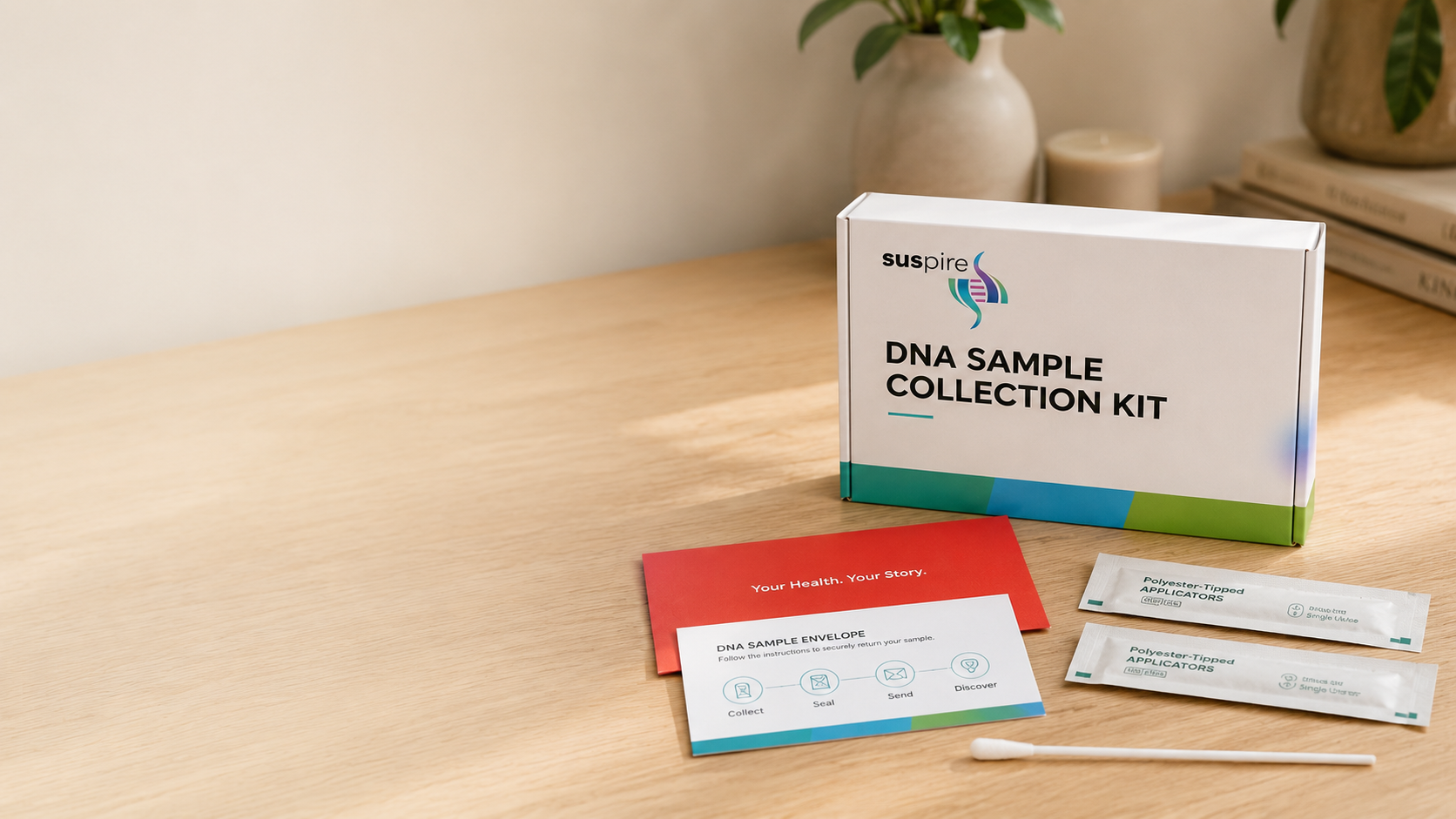
Short answer: DNA testing is a laboratory process that studies a person’s genetic information to help identify biological relationships, ancestry, inherited traits, or other DNA-based information depending on the type of test used.
DNA testing is used in many situations, including paternity testing, relationship testing, ancestry research, legal identity-related testing, and some lifestyle or wellness-related genetic reports. The purpose of the test decides what type of sample is needed, how the sample should be collected, and how the result should be interpreted.
What is DNA?
DNA, short for deoxyribonucleic acid, is the genetic material found in the cells of the body. It carries biological instructions that are passed from parents to children.
A child receives DNA from both biological parents. This is why DNA testing can be used to compare people and check whether a biological relationship is likely.
How does DNA testing work?
In most relationship DNA tests, the laboratory compares specific areas of DNA called genetic markers. These markers are checked between the people being tested.
For example, in a paternity DNA test, the laboratory compares the child’s DNA profile with the alleged father’s DNA profile. If the tested man is the biological father, the child’s markers should match him in the expected parent-child pattern. If he is not the biological father, the test will usually show exclusions at multiple markers.
What sample is usually used?
The most common sample for many private relationship DNA tests is a cheek swab. A cheek swab is collected by gently rubbing a swab inside the mouth to collect cheek cells.
Cheek swabs are commonly preferred because they are:
- Painless
- Non-invasive
- Easy to collect
- Suitable for adults and children
- Convenient for private sample collection
What types of DNA tests are common?
Different DNA tests answer different questions. Some of the common types include:
- Paternity DNA test: checks whether a man is likely to be the biological father of a child.
- Maternity DNA test: checks whether a woman is likely to be the biological mother of a child.
- Sibling DNA test: checks whether two people are likely to share one or both biological parents.
- Grandparent DNA test: helps assess a biological relationship when the alleged father or mother is unavailable.
- Avuncular DNA test: checks whether a person is likely to be the biological aunt or uncle of a child.
- Ancestry DNA test: explores genetic background, family origins, or ancestral lines depending on the test type.
- Legal DNA test: follows identity verification and chain-of-custody procedures for official or legal use.
Private DNA test vs legal DNA test
A private DNA test is usually taken for personal knowledge. It may help a family understand a biological relationship privately and confidentially.
A legal DNA test is different. It may require identity verification, witnessed sample collection, consent documents, proper packaging, and chain-of-custody handling. If the result may be needed for court, immigration, inheritance, birth certificate correction, or official use, legal testing should be arranged before sample collection.
How are DNA test results usually reported?
The result format depends on the type of test.
A direct paternity test may usually report whether the tested man is excluded or not excluded as the biological father. In positive paternity cases, the report may include a very high probability of paternity.
Indirect relationship tests, such as sibling, grandparent, and avuncular DNA tests, are usually probability-based. These tests may sometimes require additional relatives or the mother’s sample to improve the strength of the result.
When should someone consider DNA testing?
DNA testing may be considered when someone needs clarity about a biological relationship, family background, legal documentation, immigration support, inheritance-related questions, or personal ancestry information.
Before choosing a test, it is important to know:
- What relationship needs to be checked?
- Who is available for sample collection?
- Is the result for private knowledge or legal use?
- Are close relatives involved in the situation?
- Would additional family members improve the result?
Why guidance matters before testing
Choosing the wrong DNA test can lead to unclear or less useful results. For example, a direct paternity test is stronger when the alleged father is available, while sibling, grandparent, or avuncular testing may be considered when the alleged father is unavailable.
If legal use is possible, the collection method must be planned before samples are taken. A private sample collected at home usually cannot be converted into a legal chain-of-custody test later.
Need private guidance?
Suspire can help you understand which DNA test may be suitable for your situation, whether private or legal testing is needed, and how sample collection and courier coordination may be arranged across the UAE, GCC, and nearby regions.
Ask Suspire Privately on WhatsApp
FAQ
Is DNA testing painful?
No. Many relationship DNA tests use cheek swabs, which are painless and non-invasive.
Can DNA testing be done privately?
Yes. Private DNA testing is commonly used for personal knowledge. Legal or official use may require a formal chain-of-custody process.
Are all DNA tests the same?
No. Different DNA tests answer different questions. A paternity test, sibling test, ancestry test, and legal DNA test each have different purposes and result formats.
Can DNA test results be used legally?
Only tests collected with proper legal or chain-of-custody procedures may be suitable for official or legal use. This should be arranged before sample collection.
Which DNA test should I choose?
The right test depends on the relationship being checked, who is available for testing, and whether the result is for private or official use.